GeniusPark · Research & Development

The AI Lab.
Discipline over magic.

We don't use AI to cut corners. We use it the way we use VFX — as a precision instrument, invisible in the final frame, only visible in what it makes possible.

AI is a tool.
Supervision is the craft.

The gap between an AI output and a usable AI output is not a button — it is hours of prompt engineering, reference research, iterative refinement, and critical review. The same eye that catches a wire in a VFX composite catches an Ottoman minaret in a Seljuk scene.

That supervision is what we do. The result should be indistinguishable from intent.

01
Research before prompting
Period accuracy, architectural styles, material culture, light conditions — sourced and verified before a single token is generated.
02
Prompt as direction, not wish
A prompt is a shot brief. Vague briefs produce vague results. We write prompts the way a director writes a shot list.
03
Critical review, every output
Anatomy, architecture, movement, material, color. If it wouldn't survive a VFX supervisor's eye, it doesn't leave the room.
04
Invisible in the frame
The goal is not impressive AI output. The goal is a frame that serves the story — and no one asks how it was made.

Three prompts.
Three levels of supervision.

The same subject. The same model. The difference is what we brought to the process — not the tool.

Unsupervised Unsupervised AI output — generic bazaar scene
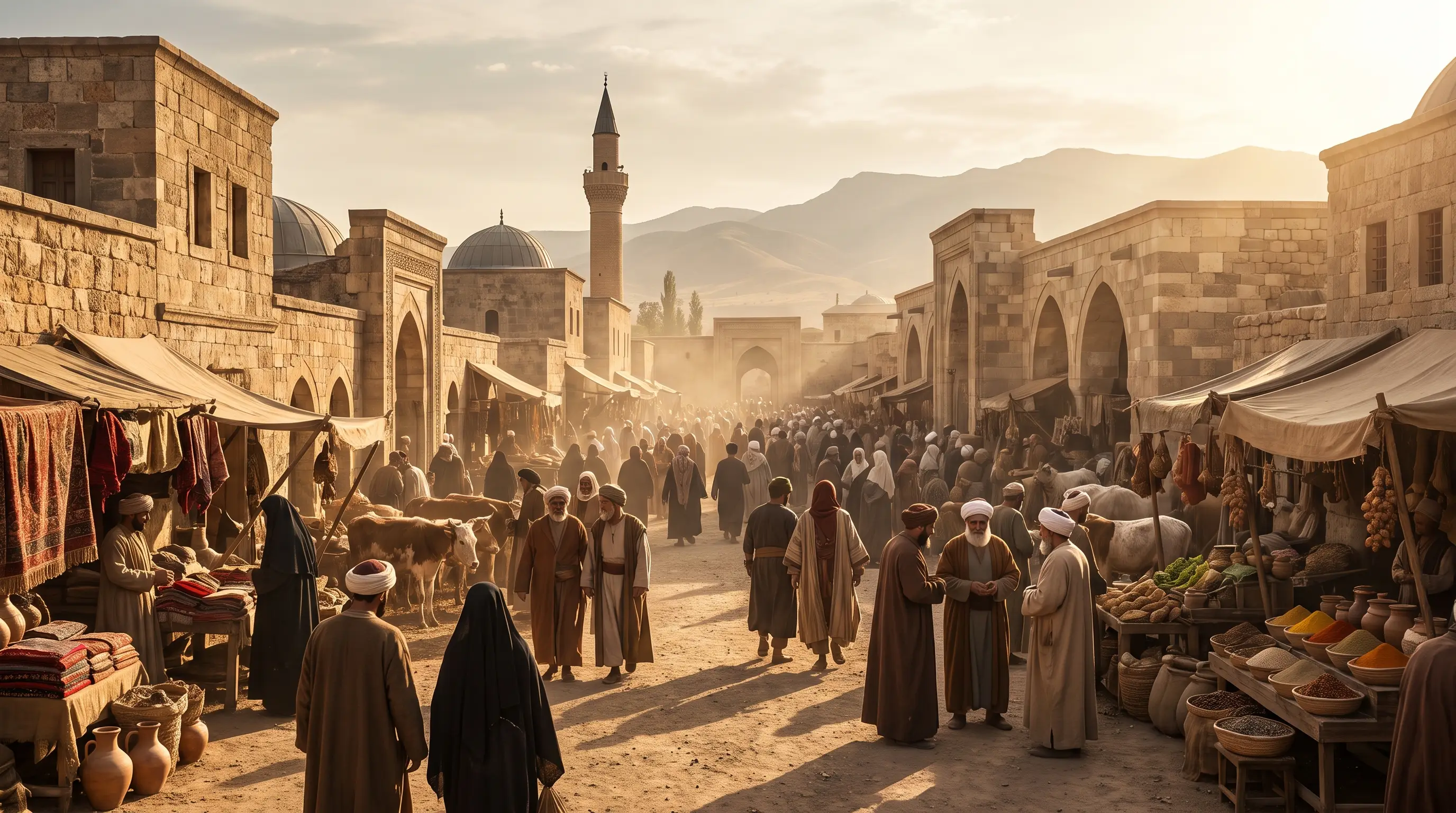
01 — First Pass

Generic, unresearched prompt

  • Ottoman minaret — wrong century, wrong region
  • Black-robed women — anachronistic styling
  • Heavy golden hour — default AI palette
  • No architectural specificity
Supervised — review needed Supervised AI output — caravanserai with Timurid portal
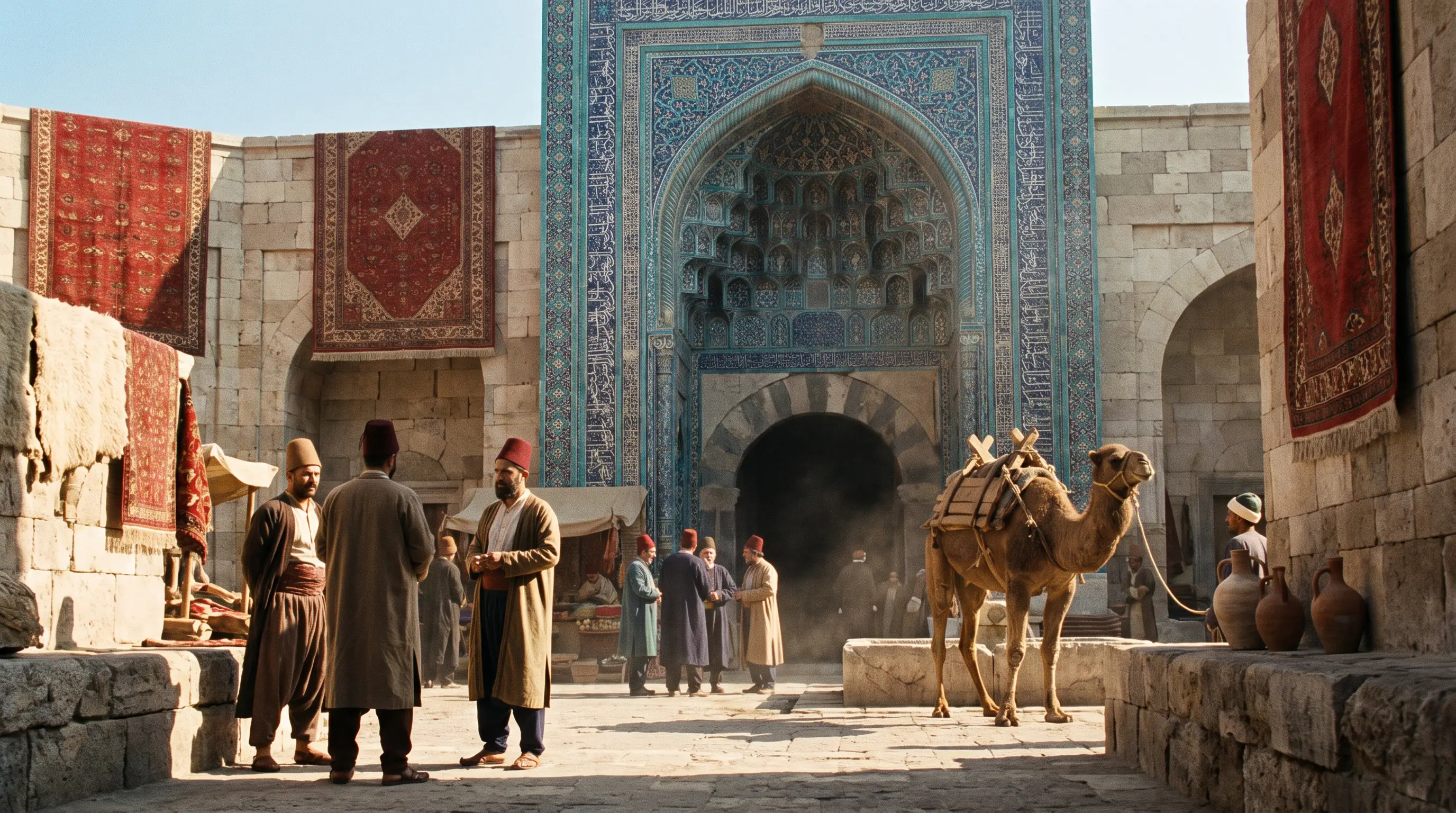
02 — With Reference

Researched prompt, one error survives

  • Correct camel, textiles, lighting angle
  • Portal tile: Timurid (Samarkand), not Seljuk Anatolia
  • Blue faience — right period, wrong geography
  • Passes a casual eye, fails a specialist
GP Verified GP verified AI output — Anatolian Seljuk medrese
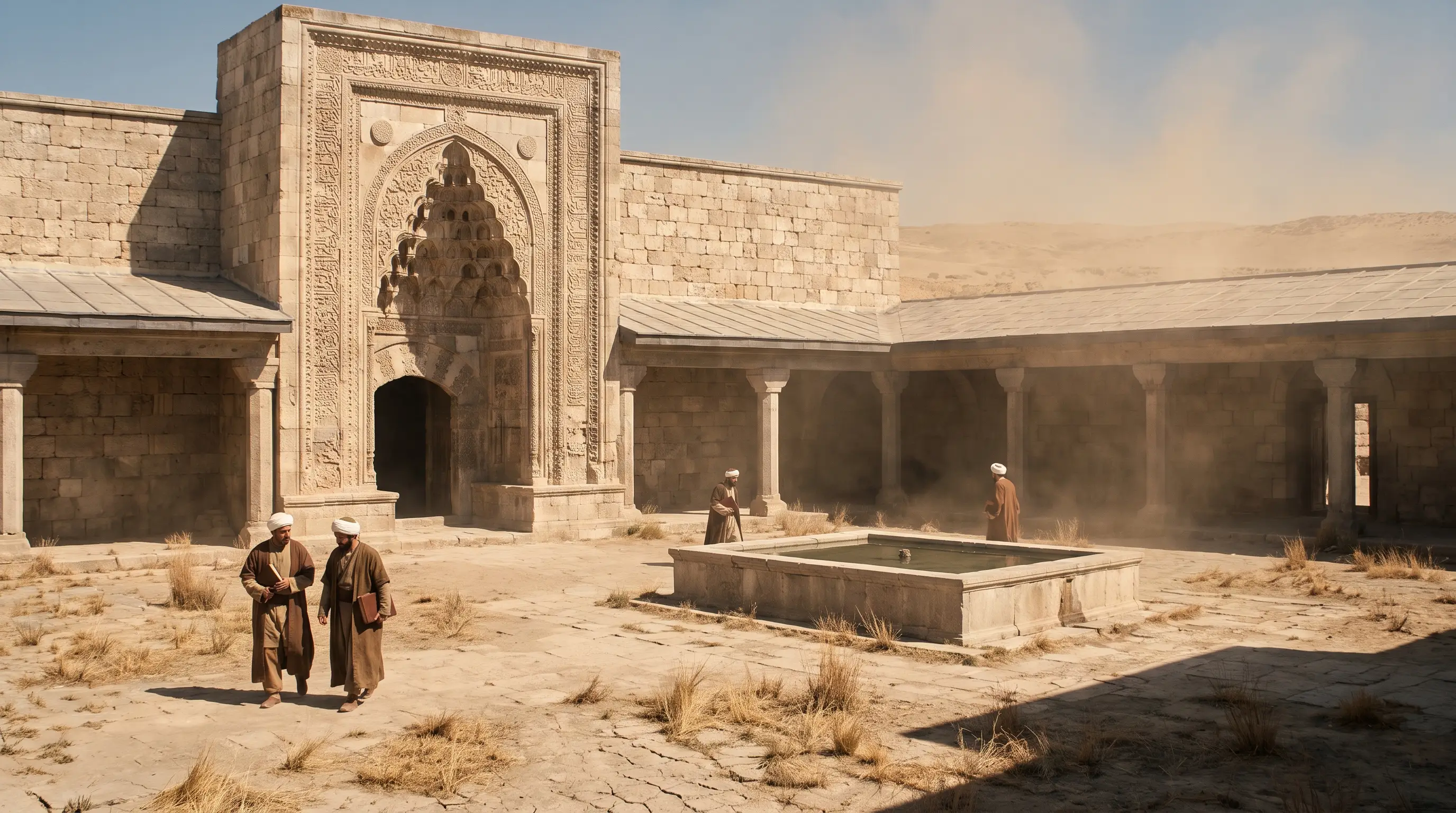
03 — Production Ready

Karatay-style medrese, Konya, 1251

  • Dressed ashlar limestone — no exterior tile
  • Stalactite muqarnas portal, historically accurate
  • Şadırvan pool, correct scholar dress
  • Hard midday sun — no AI golden hour

Five things we check
before any AI output ships.

01
Human anatomy
Fingers, joints, proportions under clothing, posture under load. AI collapses these under fabric and distance. We don't.
02
Architectural accuracy
Style period, region, structural logic. A Seljuk portal and an Ottoman portal are not interchangeable. Neither are their shadows.
03
Animal movement & anatomy
Horses, camels, cattle — AI blends gaits and limb counts. We check every leg, every joint, every contact point with the ground.
04
AI color signature
Golden hour by default, over-saturated reds, heavy contrast, glowing midtones. We override the model's aesthetic preferences with the scene's actual light logic.
05
Figure blending
Where crowds merge, arms dissolve into torsos, hands disappear into fabric. The most common AI tell in wide establishing shots — and the easiest to miss at speed.